
Understanding roof pitch
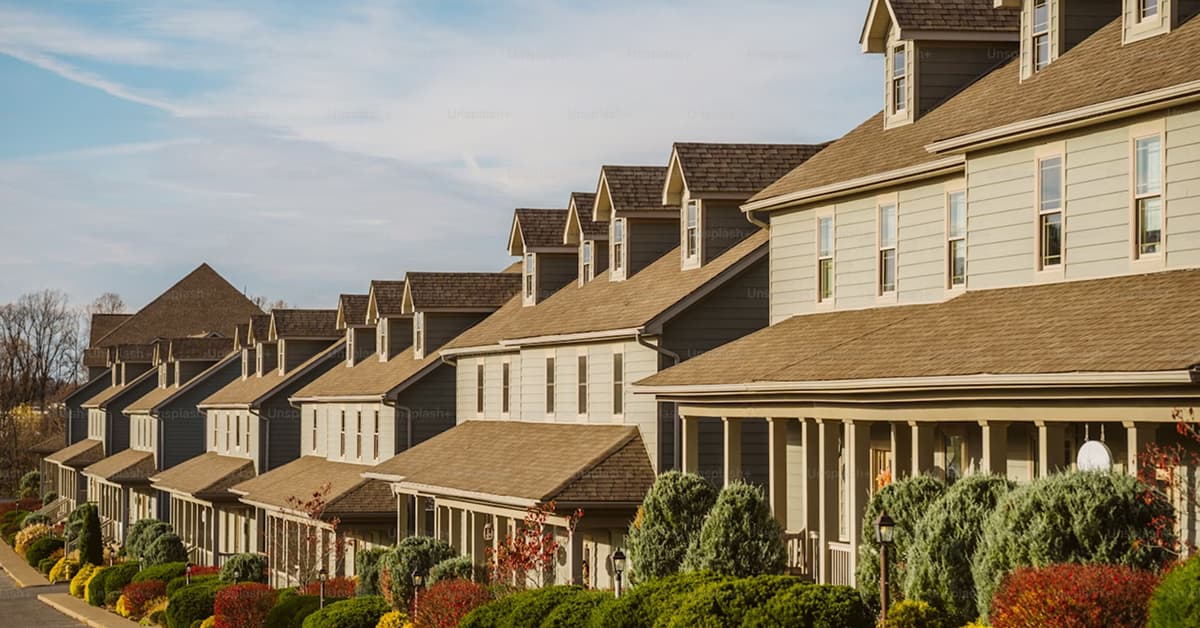
The angle or slope of your roof isn't just about aesthetics. This fundamental measurement directly impacts your home's drainage, material options, installation costs, and long-term maintenance needs. Understanding roof pitch helps homeowners make informed decisions that affect both their wallet and their home's protection from the elements.
Roofing professionals consistently observe how the right pitch can mean the difference between a roof that lasts 30 years versus one that needs constant repairs. The good news? Once you understand the basics, choosing the appropriate pitch for your home becomes much clearer.
What roof pitch means and how to measure it
Roof pitch represents the steepness of your roof, traditionally expressed as a ratio of vertical rise to horizontal run. When roofers say "4:12 pitch," they mean the roof rises 4 inches vertically for every 12 inches of horizontal distance. This standardized measurement system helps contractors, architects, and homeowners speak the same language when discussing roof specifications.
See local roofing prices
- 100% free to use, 100% online
- Compare prices from local roofers
- No spam — unbiased guidance when you want it
While the terms "pitch" and "slope" are often used interchangeably in modern construction, technically speaking, slope refers to the rise-over-run ratio, while pitch historically meant the rise over the entire span. Today, most professionals use "pitch" to describe what's technically the slope, and that's the convention we'll follow here.
Measuring roof pitch involves several methods, each suited to different situations:
- Level and tape measure method: Place a 12-inch level horizontally against the roof surface, then measure the vertical distance from the roof to the level at the 12-inch mark
- Attic measurement: For safety, place the level against a rafter from inside the attic and measure the same way
- Digital pitch gauges: Modern tools that provide instant, accurate readings without manual calculations
- Smartphone apps: Inclinometer functions offer quick measurements using your phone's built-in sensors
- Professional tools: Contractors use specialized equipment for precise measurements on complex roof shapes
For safety reasons, measuring from inside the attic is often preferable to climbing on the roof. The measurement technique remains the same regardless of location you're looking for that rise-over-run ratio that defines your roof's character.
Common pitch ratios and what they mean in degrees
Understanding how pitch ratios translate to degrees helps visualize your roof's actual angle. A 4:12 pitch equals approximately 18.43 degrees, while a steeper 12:12 pitch creates a 45-degree angle. This conversion matters when comparing roofing materials or discussing projects with engineers who may prefer degree measurements.
Here's a quick reference for common roof pitches:
- 1/12: Very slight slope, almost flat (about 4.8 degree angle)
- 2/12: Low-slope roof (about 9.5 degree angle)
- 3/12: Low-slope roof (about 14 degree angle)
- 4/12: Medium-low slope (about 18.4 degree angle)
- 5/12: Medium slope (about 22.6 degree angle)
- 6/12: Medium slope (about 26.6 degree angle)
- 7/12: Medium-steep slope (about 30.3 degree angle)
- 8/12: Medium-steep slope (about 33.7 degree angle)
- 9/12: Steep slope (about 36.9 degree angle)
- 12/12: Very steep slope (45 degree angle)
The most common residential roof pitches fall between 4:12 and 9:12 (18.43° to 36.87°). This range offers an optimal balance between water drainage, installation safety, and material compatibility. Lower pitches like 2:12 (9.46°) require special installation techniques and waterproofing measures, while steep pitches above 12:12 (45°) dramatically increase both material needs and labor costs.
Roof pitch categories and their characteristics:
- Flat roofs (under 2:12): Not truly flat but provide minimal slope for drainage
- Low-slope roofs (2:12 to 4:12): Need specialized materials and installation techniques
- Conventional roofs (4:12 to 9:12): Work with standard materials and installation methods
- High-pitched roofs (above 9:12): Offer superior drainage but require safety equipment and experienced crews
How pitch affects your roof's performance
The angle of your roof fundamentally determines how well it sheds water and snow. Roofs with pitches below 4:12 face increased risk of water ponding and require more frequent maintenance to prevent leaks. Understanding these performance characteristics helps predict your roof's long-term behavior and maintenance needs.
Water drainage performance by pitch range:
- Under 2:12: High risk of ponding, requires specialized drainage systems and waterproof membranes
- 2:12 to 4:12: Adequate drainage with proper installation, needs enhanced underlayments
- 4:12 to 9:12: Excellent water shedding, works with standard installation methods
- Above 9:12: Superior drainage but may require larger gutters to handle rapid runoff
Snow management becomes critical in northern climates where roof pitch directly affects structural loads. A 4:12 pitch roof can hold 20-40 pounds of snow per square foot, while steeper 6:12 or greater pitches allow snow to slide off naturally, reducing dangerous accumulation. Metal roofs enhance this snow-shedding effect but often require snow guards to prevent avalanche-style releases that could damage property or injure people below.
Ventilation requirements by pitch:
- Standard pitches (up to 6:12): One square foot of vent area per 150 square feet of attic floor
- Steep pitches (above 6:12): Require 20-30% more ventilation due to increased attic volume
- Very steep pitches (above 9:12): Enhanced stack effect accelerates air movement, needs careful intake/exhaust balance
Current building codes and pitch requirements
The 2024 International Building Code (IBC) and International Residential Code (IRC) establish minimum pitch requirements based on roofing materials. Asphalt shingles require a minimum 2:12 pitch, while slate shingles need at least 4:12 to perform properly. These aren't just recommendations, they're enforceable standards that affect warranty coverage and insurance claims.
Minimum pitch requirements by material type:
- Standing-seam metal: 0.25:12 (approximately 1.19°) - most flexible option
- Asphalt shingles: 2:12 minimum, enhanced methods required below 4:12
- Wood shakes and shingles: 3:12 minimum for proper water shedding
- Clay and concrete tiles: 2.5:12 minimum with proper underlayment
- Slate shingles: 4:12 minimum due to material characteristics
- Built-up roofing: 0.25:12 with proper drainage design
These requirements reflect each material's water-shedding capabilities and installation methods. Installing materials below their minimum pitch voids manufacturer warranties and violates building codes, potentially creating liability issues and insurance claim denials.
Enhanced installation requirements for low-slope applications:
- Waterproof membrane underlayment: Required for asphalt shingles on 2:12 to 4:12 pitches
- Enhanced sealing techniques: Additional adhesive strips and sealants
- Ice dam protection: Extended underlayment coverage in cold climates
- Special fastening patterns: Increased nail density and upgraded fasteners
- Drainage considerations: Positive drainage away from all roof areas
Regional factors that influence pitch selection
Climate plays a decisive role in optimal pitch selection. Northern regions with heavy snowfall benefit from minimum 6:12 pitches that naturally shed snow, while hurricane-prone coastal areas may perform better with moderate pitches that reduce wind uplift forces. Understanding your local climate helps optimize both performance and cost.
Climate-specific pitch recommendations:
- Heavy snow regions: 6:12 or steeper for natural snow shedding, prevents dangerous accumulation
- Hurricane zones: 4:12 to 8:12 range with hip configuration reduces wind uplift
- Hot desert climates: Lower pitches (3:12 to 6:12) with reflective materials and enhanced ventilation
- High wind areas: Avoid very steep pitches that create excessive uplift forces
- Mixed climates: 6:12 pitch offers versatility for varied weather conditions
Regional building codes often exceed national minimums based on local conditions. Florida's High-Velocity Hurricane Zones mandate enhanced attachment methods regardless of pitch, while California's Title 24 energy code requires cool roof compliance with specific solar reflectance values. Northern states specify snow load requirements ranging from 20 to over 80 pounds per square foot, directly impacting minimum pitch recommendations.
Insurance considerations by region:
- Snow country: Steep pitches earn 10-15% premium discounts for reduced collapse risk
- Coastal areas: Hip roofs with moderate pitches (4:12 to 8:12) get best wind resistance rates
- Tornado zones: Enhanced attachment requirements may offset pitch benefits
- Fire-prone areas: Material selection often matters more than pitch for premium calculations
Calculating costs across different pitch ranges
Roof pitch significantly impacts project costs through increased materials, labor complexity, and safety requirements. Low-slope roofs cost $3-$7 per square foot to install, while steep-slope roofs can reach $15-$20 per square foot. This 2024-2025 pricing reflects not just material quantity but also the specialized equipment and experienced crews required for steep installations.
Cost factors that increase with pitch:
- Material quantity: Steeper roofs require 15-40% more materials due to increased surface area
- Safety equipment: Fall protection systems, scaffolding, and specialized lifting equipment
- Labor complexity: Slower installation pace and need for experienced steep-slope crews
- Weather delays: Steep roofs become unworkable in wind or wet conditions
- Insurance costs: Higher liability coverage for steep-slope work
Labor cost escalation by pitch range:
- Walkable roofs (up to 6:12): Standard labor rates, normal safety precautions
- Steep roofs (6:12 to 9:12): 25-35% labor premium for safety equipment and slower pace
- Very steep roofs (above 9:12): 40-60% labor premium, requires specialized crews
- Extreme pitches (above 12:12): 75-100% premium, extensive safety systems required
Long-term cost analysis often favors steeper pitches despite higher initial investment. Low-slope roofs require monthly to quarterly maintenance costing $500-$1,500 annually, while steep roofs need only annual inspections at $200-$600. Insurance premiums vary by 10-25% based on pitch, with steep hip roofs earning the best rates for their superior weather resistance.
Annual maintenance costs by pitch:
- Low-slope (under 4:12): $500-$1,500 for frequent inspections and minor repairs
- Standard pitch (4:12 to 9:12): $200-$600 for annual inspections and gutter cleaning
- Steep pitch (above 9:12): $300-$800 due to access difficulties but less frequent issues
Making the right pitch decision for your home
Selecting optimal roof pitch requires balancing multiple factors: climate demands, architectural style, budget constraints, and long-term maintenance capabilities. For most residential applications, a 6:12 pitch offers the sweet spot of performance, cost-effectiveness, and material compatibility. This pitch handles diverse weather conditions, works with all standard materials, and remains safely accessible for maintenance.
Key factors in pitch selection:
- Climate conditions: Snow load, wind speeds, rainfall intensity, and temperature extremes
- Architectural style: Traditional styles often dictate pitch ranges for authentic appearance
- Budget constraints: Initial installation costs versus long-term maintenance expenses
- Material preferences: Some materials perform better at specific pitch ranges
- Local building codes: Minimum requirements and regional amendments
- Insurance considerations: Premium impacts based on regional risk factors
Pitch recommendations by situation:
- Heavy snow regions: 7:12 or steeper for natural snow shedding and reduced structural loads
- Hot climates: 4:12 to 6:12 with cool roof materials and enhanced ventilation systems
- Coastal hurricane zones: 4:12 to 8:12 with hip configuration for optimal wind resistance
- Mixed climates: 6:12 pitch provides versatility for varied seasonal conditions
- Budget-conscious projects: 4:12 to 6:12 range balances performance with installation costs
Professional consultation ensures code compliance and optimal performance. Local contractors understand regional requirements and can recommend pitch modifications that enhance your home's specific needs. They'll also navigate the complex interplay between pitch, ventilation, insulation, and material selection that ultimately determines your roof's success.
Questions to ask your roofing contractor:
- What pitch works best for our local climate conditions?
- How will different pitches affect my material options and costs?
- What are the long-term maintenance implications of each pitch option?
- How does roof pitch affect my homeowner's insurance premiums?
- What safety considerations apply to accessing my roof for maintenance?
Conclusion
See local roofing prices
- 100% free to use, 100% online
- Compare prices from local roofers
- No spam — unbiased guidance when you want it
Roof pitch influences every aspect of your roofing system, from initial costs through decades of performance. Understanding these relationships empowers better decisions that protect your investment and enhance your home's resilience. Whether building new or replacing existing roofing, consider pitch as a fundamental design element that affects drainage, materials, maintenance, and costs throughout your roof's lifetime.
The 2024-2025 building standards provide clear guidelines, but optimal pitch selection goes beyond minimum requirements. Factoring in regional climate, long-term maintenance plans, and total cost of ownership when making this critical decision leads to better outcomes. With proper pitch selection matched to quality materials and professional installation, your roof will provide decades of reliable protection.