
Roof Repair vs Replacement
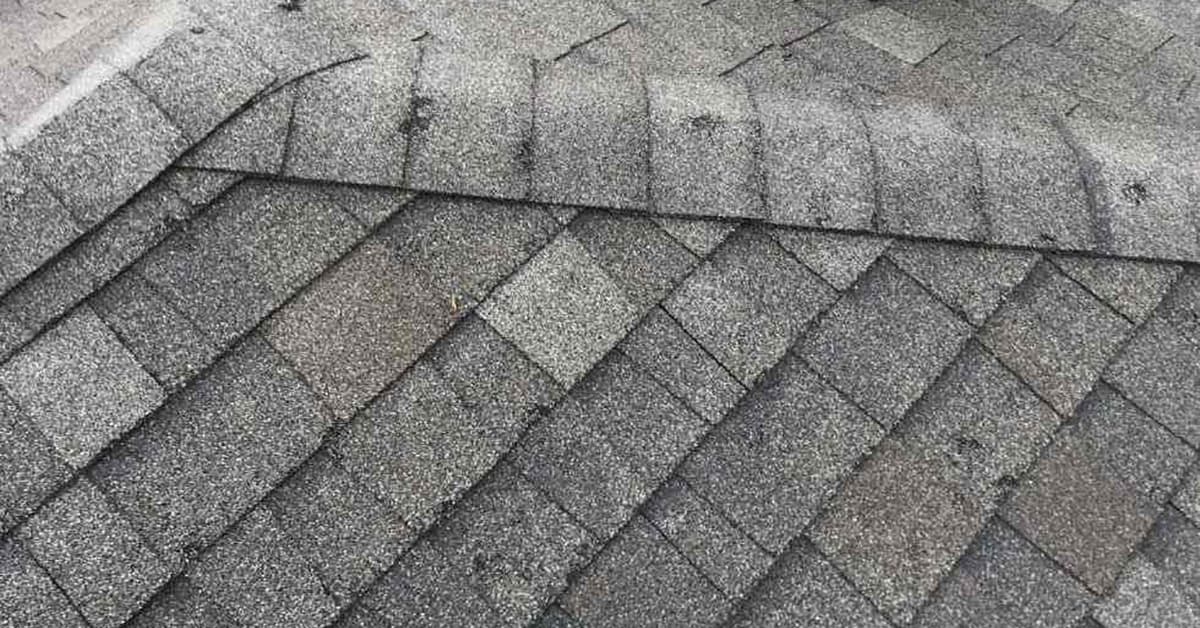
The decision most homeowners struggle with
A drip near the chimney, a few missing shingles, or a patch of granules in the gutters—should you repair the trouble spot or invest in a full replacement? The right call protects your home and your wallet. Here's a straight-shooting framework you can use today.
Quick Answer: Repair your roof if damage is localized, shingles are pliable, and the roof is less than 15 years old. Replace if you see widespread curling/cracking, multiple leaks, or your roof is in its final third of life (20+ years for asphalt). When 2-3 year repair costs exceed 30% of replacement cost, replacement is smarter.
First, know your roof's age & type
- Asphalt shingles: typical service life 15–30 years, shorter in harsh sun/hail; longer with premium shingles and balanced ventilation.
- Metal: 40–70 years depending on panel type, coating, and fasteners.
- Tile/Slate: 40–100+ years but watch underlayment and flashings, which age sooner.
- Flat membranes: 15–30 years; maintenance and ponding resistance matter.
If you're within the final third of expected life and facing repeated issues, replacement often pencils out.
5 signs a repair is the smart move
-
Damage is localized.
A single area around a vent, skylight, or chimney with sound surrounding shingles usually responds well to targeted repair. -
Shingles are still pliable, not brittle.
If nails lift cleanly and shingles don't crack, repairs are less intrusive and more durable. -
No widespread granule loss or curling.
Healthy surfaces with good color and texture point to a young-to-mid-life system. -
Decking is sound.
No spongy spots when walked, no sagging, and attic shows dry sheathing and shiny nails (no rust). Localized deck patches are fine. -
You plan to sell soon.
A neat, documented repair with a transferable workmanship note can satisfy inspection reports without over-investing.
9 signs a replacement protects you better
- End-of-life indicators: shingles are curling, cracking, or shedding granules across large areas.
- Multiple active leaks or a history of recurring leaks in different places.
- Storm damage across slopes (wind lift, hail bruising, or creased shingles).
- Brittle shingles that break during minimal handling—repairs won't last.
- Widespread flashing issues (wall step flashing, chimneys, skylights) from age or prior shortcuts.
- Poor ventilation leading to overheated attics, molded decking, or premature shingle failure.
- Two layers already installed (overlay). Weight and heat buildup argue for full tear-off.
- Code changes since last install (e.g., drip edge, ice-barrier requirements) you can't meet with a spot fix.
- Aesthetic or resale goals: a patchwork roof hurts curb appeal; a new system boosts home value and buyer confidence.
Quick Decision Calculator
Count your "Yes" answers:
See local roofing prices
- 100% free to use, 100% online
- Compare prices from local roofers
- No spam — unbiased guidance when you want it
- □ Roof is 20+ years old
- □ Multiple leaks in past year
- □ See daylight through roof boards
- □ Energy bills increased 20%+
- □ Missing/damaged shingles on multiple slopes
Results:
- 0-1 Yes = Repair likely best option
- 2-3 Yes = Professional evaluation needed
- 4+ Yes = Start planning replacement
The easy math: repair now vs replace sooner
Use this quick comparison:
-
Scenario A (Repair):
Immediate repair: $1,200. Expected additional repairs over 24 months: 2 × $1,200 = $2,400.
Total 2-year spend: $3,600 with risk of interior damage. -
Scenario B (Replace):
New roof today: $14,500 with a 25-year material warranty and 10-year workmanship coverage.
2-year spend: $14,500, but resets the clock and reduces risk.
Guideline: If your expected 2–3 year repair spend approaches ~30–40% of replacement, and the roof is in the last third of life, replace.
Typical Roofing Costs (2025 National Averages)
| Service | Low-End | Average | High-End |
|---|---|---|---|
| Minor Repair | $300 | $600 | $1,200 |
| Major Repair | $1,000 | $2,500 | $5,000 |
| Full Replacement (Asphalt) | $8,000 | $14,500 | $25,000 |
| Full Replacement (Metal) | $15,000 | $22,000 | $35,000 |
| Full Replacement (Tile/Slate) | $20,000 | $30,000 | $45,000 |
Note: Costs vary by region, roof complexity, and local labor rates.
Insurance Coverage: What's Typically Covered
Understanding your coverage helps you make informed decisions:
- Covered: Sudden damage from storms, falling trees, vandalism, fire
- Not Covered: Wear and tear, gradual deterioration, poor maintenance, improper installation
- Gray Area: Wind/hail damage on older roofs—document everything with photos and dates
- Deductible Impact: Most policies have $1,000-$2,500 deductibles; factor this into repair vs replace math
- Pro Tip: Get a professional inspection before filing a claim to avoid rate increases from denied claims
Best Timing for Roof Work
Seasonal Considerations
- Spring/Fall: Ideal temperatures (45-85°F) for materials to seal properly and worker safety
- Summer: Possible but extreme heat can affect shingle flexibility and worker productivity
- Winter: Emergency repairs only; most materials need 40°F+ to seal correctly
- Rainy Season: Book early or expect delays; temporary tarping may be needed
Warning: Small leaks cause big damage. Every week of delay during rainy seasons can mean $500+ in additional interior repairs.
Special cases
- Hail/wind claims: A single sanctioned storm can justify full replacement if damage is widespread. Document with photos, dates, and a professional inspection report.
- Chimneys & skylights: These leak magnets deserve quality flashing and sometimes replacement during reroof—cheaper now than later.
- Flat roofs: Seams and penetrations are common failure points. If moisture has reached insulation broadly, consider replacement with a cover board and tapered insulation.
- Solar panels: If you have or plan solar installation, coordinate timing—removing and reinstalling panels adds $2,000-4,000.
What a thorough repair looks like (so it lasts)
Professional repairs should include:
- Remove the full affected area to sound decking
- Replace any rotted deck and install ice & water shield
- Reinstall step/counter-flashing at walls/chimneys; don't caulk-and-hope
- Use starter strips, correct nailing patterns, and matching shingles
- Finish with ridge/box vent adjustments if ventilation was part of the problem
- Provide before/after photos and a workmanship warranty
Replacement done right: non-negotiables
- Full tear-off to the deck with clean-up daily
- Ice & water shield at eaves/valleys/penetrations (climate-dependent)
- Synthetic underlayment + starter strips + drip edge
- Correct valley method (open metal vs woven) for your shingle and pitch
- Balanced ventilation (soffit intake + ridge exhaust) sized to attic volume
- Proper flashing (no surface caulk bandaids), metal gauge specified
- Manufacturer's system components for extended warranties
- Detailed, written punch list and final inspection
- Permits pulled where required (typically $200-500)
Why Homeowners Trust Professional Roofers
Look for contractors with:
- ✓ Proper licensing and insurance (general liability + workers comp)
- ✓ Manufacturer certifications (GAF, Owens Corning, CertainTeed)
- ✓ Strong local reputation (BBB rating, Google reviews, references)
- ✓ Clear warranties: materials (20-50 years) and workmanship (5-10 years)
- ✓ Detailed written estimates with no hidden fees
- ✓ Local presence and established business history
Decision checklist (printable)
- Roof age vs typical life for your material
- Number and location of active leaks
- Condition of shingles/membrane across all slopes
- Decking condition (attic & exterior signs)
- Ventilation sufficiency
- Code/warranty constraints (ice-barrier, drip edge, fasteners)
- Total expected repair spend in next 24–36 months
- Plans to own the home 3+ years vs sell sooner
- Insurance or storm damage considerations
- Impact on home value and ROI if selling
- Energy efficiency improvements possible with replacement
FAQs
Can I repair in winter?
Yes, with proper adhesives/fasteners and weather windows above 40°F. Some materials need warmer temps for ideal adhesion. Emergency tarping is always available.
Will a repair void my warranty?
Not if it's done to manufacturer specs. Keep invoices and photos; use licensed/insured pros to maintain coverage.
What if I have two layers already?
Most codes allow only two. If you already have two, tear-off is required for safety, warranty, and building code compliance.
How long does each option take?
Repairs: 2-8 hours typically. Full replacement: 1-3 days for average homes, 3-5 days for complex roofs.
Can I do repairs myself?
Minor repairs like replacing a few shingles are DIY-possible, but consider safety risks and warranty implications. Flashing and ventilation work should be professional.
What increases replacement costs?
Steep pitch, multiple stories, complex rooflines, premium materials, extensive decking repair, poor access, and disposal fees for multiple layers.
Bottom line
If the roof is mid-life and the problem is isolated, a professional repair is smart. If it's end-of-life, issues are widespread, or repairs are stacking up, replace and reset your risk.
See local roofing prices
- 100% free to use, 100% online
- Compare prices from local roofers
- No spam — unbiased guidance when you want it
The right decision depends on your specific situation—age of roof, extent of damage, budget, and long-term plans. Use this guide's checklists and calculations to make an informed choice, but always get a professional assessment for accurate diagnosis.
We'll inspect, photograph, and give you side-by-side repair vs replacement options—no pressure, just honest recommendations based on 20+ years protecting homes.
Ready to decide with confidence? Schedule a same-week roof assessment. We'll help you choose the right path in one visit—guaranteed honest advice, no sales pressure.