
Different Roof Types
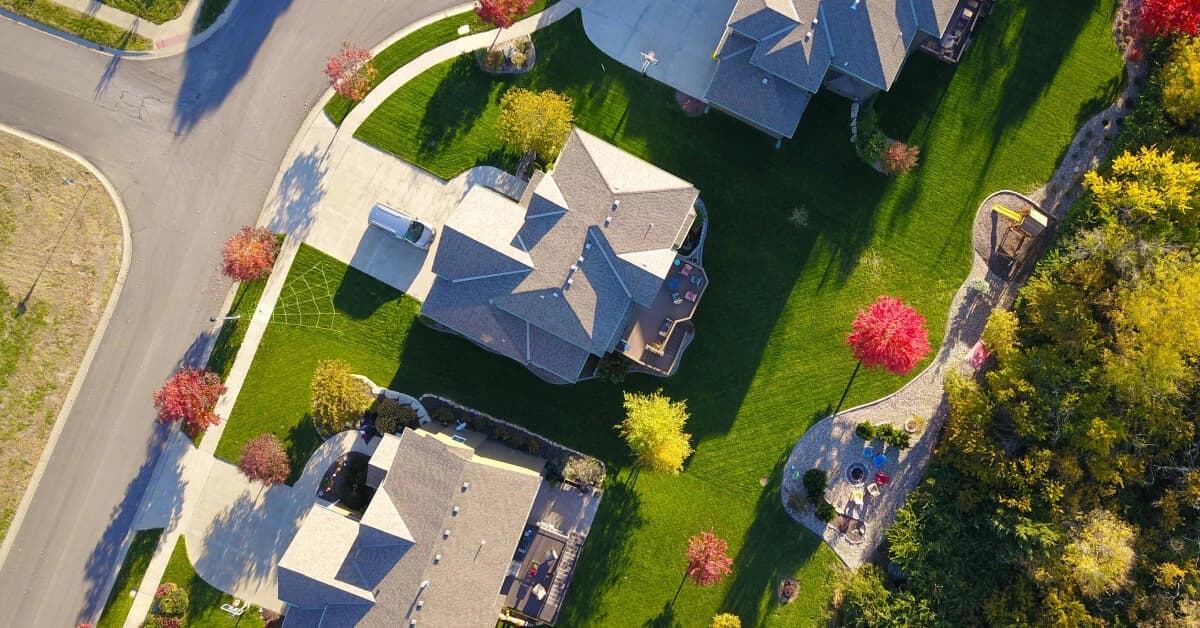
Selecting the right roof type stands as one of the most critical decisions homeowners face during construction or renovation. A well-chosen roof does more than protect a home from the elements; it defines architectural character, impacts energy efficiency, and significantly affects property value. Understanding the nuances of different roof types empowers homeowners to make informed decisions that balance aesthetics, functionality, and budget.
Understanding Major Residential Roof Types
Gable Roofs: The Classic Choice
Gable roofs remain the most popular residential roofing style across North America, and for good reason. Their distinctive triangular shape offers excellent water drainage and creates valuable attic space.
Advantages of gable roofs include:
See local roofing prices
- 100% free to use, 100% online
- Compare prices from local roofers
- No spam — unbiased guidance when you want it
- Superior water and snow runoff due to steep slopes
- Cost-effective construction requiring less material and labor
- Excellent ventilation opportunities for attic spaces
- Versatile design that complements various architectural styles
- Easy to construct and maintain
Disadvantages to consider:
- Vulnerable to high winds, especially with deep overhangs
- End walls require proper bracing in hurricane zones
- Can be problematic in areas with extreme weather
- May look too simple for luxury home designs
Hip Roofs: Built for Stability
Hip roofs feature slopes on all four sides, creating a more stable structure than gable designs. This configuration makes them particularly suitable for areas prone to severe weather.
Key benefits of hip roofs:
- Exceptional wind resistance from all directions
- Self-bracing design provides superior structural stability
- Consistent eave height allows for uniform gutters
- Additional living space potential in the attic
- Excellent choice for hurricane and tornado zones
Potential drawbacks:
- More complex construction increases costs
- Less attic space compared to gable roofs
- Requires more roofing materials
- Complex valley systems need careful waterproofing
Shed Roofs: Modern Simplicity
Shed roofs, also known as skillion or lean-to roofs, feature a single sloping plane. Once relegated to additions and outbuildings, they now appear frequently in contemporary home designs.
Shed roof advantages:
- Economical construction with minimal materials
- Ideal for modern architectural styles
- Excellent for solar panel installation
- Simple drainage system reduces maintenance
- Allows for clerestory windows and natural lighting
Limitations include:
- Limited attic or storage space
- Not suitable for traditional home styles
- Can appear too industrial for some neighborhoods
- Requires careful waterproofing at the high wall
Gambrel Roofs: Maximizing Living Space
Gambrel roofs, often associated with barn architecture, feature two slopes on each side. The lower slope is steeper than the upper, creating maximum headroom in upper floors.
Benefits of gambrel design:
- Maximizes usable living space on upper floors
- Classic aesthetic appeals to traditional tastes
- Provides excellent headroom for attic conversion
- Relatively simple framing despite complex appearance
- Popular for sheds and garage apartments
Challenges with gambrel roofs:
- Not recommended for heavy snow regions
- Vulnerable to wind damage at ridge connections
- Requires regular maintenance at slope transitions
- More expensive than simple gable construction
Mansard Roofs: European Elegance
Mansard roofs feature four double-sloped sides, with the lower slope being considerably steeper than the upper. This French-inspired design maximizes living space while maintaining an elegant profile.
Mansard roof advantages:
- Creates full additional story of living space
- Distinctive architectural appeal
- Future expansion flexibility with dormers
- Excellent for urban lots with height restrictions
- Timeless aesthetic value
Considerations for mansard roofs:
- Significantly higher construction costs
- Complex flashing requirements at transitions
- Not suitable for areas with heavy snowfall
- Maintenance-intensive due to low upper slopes
- May require special permits in some areas
Flat Roofs: Contemporary Function
Despite their name, flat roofs actually have a slight slope for drainage. They offer unique advantages for modern homes and commercial-style residences.
Flat roof benefits:
- Creates usable outdoor living space
- Ideal for HVAC equipment placement
- Cost-effective for large buildings
- Easier and safer maintenance access
- Perfect for modern architectural styles
Flat roof challenges:
- Requires specialized waterproofing systems
- More frequent maintenance needed
- Drainage issues can cause ponding
- Limited material options
- Shorter lifespan than sloped roofs
Material Compatibility Considerations
Matching Materials to Roof Types
Choosing appropriate roofing materials depends heavily on roof pitch and structural design. Not all materials work with every roof type, and making the wrong choice can lead to premature failure.
Steep-slope roofing materials (4:12 pitch and greater):
- Asphalt shingles work on virtually all steep slopes
- Slate requires minimum 4:12 pitch for proper performance
- Wood shakes need at least 3:12 pitch
- Clay and concrete tiles perform best above 2.5:12
- Metal shingles typically require 3:12 minimum
Low-slope applications (below 4:12 pitch):
- Standing seam metal works down to 0.25:12
- Single-ply membranes ideal for flat applications
- Modified bitumen handles complex shapes well
- Built-up roofing traditional for large flat areas
- Liquid-applied systems for difficult details
Structural Load Considerations
Different roofing materials impose varying loads on the structure. Heavy materials like slate and tile may require structural reinforcement.
Weight comparisons per square (100 square feet):
- Asphalt shingles weigh 200 to 350 pounds
- Metal roofing ranges from 50 to 150 pounds
- Wood shakes add 300 to 400 pounds
- Clay tiles impose 600 to 800 pounds
- Slate can exceed 1,000 pounds
- Concrete tiles weigh 600 to 900 pounds
Climate and Regional Considerations
Snow Country Requirements
Regions with heavy snowfall demand specific roof designs and materials to handle snow loads and prevent ice dams.
Best practices for snow regions:
- Maintain minimum 4:12 pitch for snow shedding
- Choose smooth surfaces like metal for self-clearing
- Ensure adequate structural support for snow loads
- Install proper ice and water barriers
- Provide sufficient attic insulation and ventilation
Wind Resistance Factors
High-wind areas require careful attention to both roof design and material selection. Hip and pyramid roofs offer superior wind resistance compared to gable designs.
Wind-resistant features include:
- Four-sided roof designs distribute wind loads
- Limited overhangs reduce uplift potential
- Enhanced fastening schedules for materials
- Impact-resistant materials in hurricane zones
- Proper edge metal and flashing details
Hot Climate Adaptations
Hot climates benefit from roofing choices that reflect heat and promote cooling. Light-colored materials and adequate ventilation prove essential.
Cooling strategies for hot climates:
- Select light-colored or reflective roofing materials
- Consider tile roofs with natural air circulation
- Ensure proper attic ventilation systems
- Install radiant barriers in attic spaces
- Choose materials with high solar reflectance
Cost Analysis and Installation Complexity
Budget Considerations by Roof Type
Installation costs vary significantly based on roof complexity and local labor rates. Simple designs cost less but may not suit every home or climate.
Typical installed costs per square foot:
- Shed roofs range from $4 to $6
- Gable roofs cost between $6 and $9
- Hip roofs run $8 to $12
- Flat roofs average $5 to $10
- Gambrel roofs cost $8 to $15 for framing
- Mansard roofs range from $10 to $20
Labor and Timeline Factors
Complex roof designs require skilled craftsmen and extended installation periods. This impacts both cost and project scheduling.
Installation complexity factors:
- Number of roof planes affects cutting time
- Valley and hip details require expertise
- Flashing complexity increases with design
- Steep slopes require safety equipment
- Custom details extend project timelines
Building Code Requirements and Structural Considerations
Minimum Pitch Requirements
Building codes specify minimum roof pitches based on roofing material to ensure proper water drainage and longevity.
International Residential Code minimums:
- Asphalt shingles require 2:12 minimum pitch
- Metal roof shingles need 3:12 pitch
- Clay and concrete tiles require 2.5:12
- Slate shingles demand 4:12 minimum
- Wood shingles and shakes need 3:12
- Low-slope membranes work at 0.25:12
Structural Load Requirements
Roofs must support various loads including dead loads (materials), live loads (workers), and environmental loads (snow and wind).
Load calculation factors:
- Dead load includes all permanent materials
- Live load accounts for maintenance access
- Snow load varies by geographic location
- Wind load depends on exposure and height
- Seismic considerations in earthquake zones
Decision Factors for Homeowners
Aesthetic Preferences
Roof type significantly impacts curb appeal and should complement the home's architectural style. Traditional homes suit gable or hip roofs, while contemporary designs often feature shed or flat roofs.
Style matching considerations:
- Colonial homes traditionally use gable or gambrel
- Ranch styles work well with hip roofs
- Modern designs embrace shed and flat roofs
- Victorian homes often feature complex combinations
- Mediterranean styles typically use hip with tile
Functional Requirements
Beyond appearance, roofs must meet specific functional needs based on lifestyle and future plans.
Functional considerations include:
- Attic storage or living space needs
- Solar panel installation plans
- Rooftop deck or garden desires
- HVAC equipment placement requirements
- Future expansion possibilities
Long-term Value Analysis
Consider total lifecycle costs, not just initial installation price. Durable materials and appropriate designs reduce long-term expenses.
Value factors to evaluate:
- Expected lifespan of materials
- Maintenance frequency and costs
- Energy efficiency impacts
- Insurance premium differences
- Resale value implications
Maintenance Requirements by Roof Type
Annual Maintenance Schedules
Regular maintenance extends roof life and prevents costly repairs. Different roof types require varying levels of attention.
Gable and hip roof maintenance:
- Inspect shingles for damage twice yearly
- Clean gutters and downspouts regularly
- Check flashing at all penetrations
- Remove debris from valleys
- Trim overhanging branches
Flat roof maintenance needs:
- Inspect membrane quarterly for damage
- Clear drains and scuppers immediately
- Check for ponding after rain
- Reseal penetrations annually
- Remove accumulated debris promptly
Material-Specific Care
Each roofing material has unique maintenance requirements that homeowners must understand and follow.
Asphalt shingle care:
- Replace damaged shingles promptly
- Avoid pressure washing
- Check for granule loss
- Maintain proper attic ventilation
- Address moss growth quickly
Metal roof maintenance:
- Inspect fasteners and seams annually
- Touch up scratches to prevent rust
- Clear debris from valleys
- Check sealants at penetrations
- Avoid walking on panels unnecessarily
Tile and slate care:
- Replace broken pieces immediately
- Avoid walking on tiles when possible
- Check underlayment at regular intervals
- Maintain flashings carefully
- Clear debris gently to avoid damage
Professional Inspection Guidelines
While homeowners can perform basic maintenance, professional inspections catch problems early and ensure warranty compliance.
See local roofing prices
- 100% free to use, 100% online
- Compare prices from local roofers
- No spam — unbiased guidance when you want it
Professional inspection frequency:
- New roofs should be inspected after first year
- Established roofs need inspection every two to three years
- Storm damage requires immediate professional assessment
- Warranty compliance may require annual inspections
- Older roofs benefit from increased inspection frequency
Making the Final Decision
Choosing the right roof type requires balancing multiple factors including climate, budget, aesthetics, and functional needs. Consultation with roofing professionals provides valuable insights specific to local conditions and building codes. Quality installation proves just as important as design selection, making contractor choice crucial for long-term satisfaction. By understanding the characteristics, benefits, and limitations of each roof type, homeowners can make informed decisions that protect their investment while enhancing their home's beauty and functionality for decades to come.